Compare Local Contractors for Siding Installation Success
Compare local contractors to define project scope, verify experience, and establish clear expectations for siding installation.
Siding installation is a key component of property exterior upgrades, encompassing a range of tasks that include removing old siding, preparing surfaces, and installing new materials such as vinyl, fiber cement, or wood siding. This work involves precise measurement, proper fastening, and attention to weatherproofing to ensure the siding performs well over time. When engaging with service providers, property owners should clarify the full scope of work, including any preparatory steps, material choices, and finishing details, to ensure the project aligns with their expectations and property needs.
Defining the scope of siding installation is essential for establishing clear project parameters and avoiding misunderstandings. A detailed scope should specify the types of siding to be used, the extent of removal and disposal of existing materials, surface preparation requirements, and any additional work such as insulation or trim installation. Having these details in writing helps property owners and contractors stay aligned throughout the project, reduces the risk of unexpected costs or delays, and provides a solid basis for assessing contractor expertise and experience.
Comparing local contractors for siding installation involves evaluating their experience, reputation, and ability to handle specific project requirements. Property owners can benefit from reviewing references or past work, verifying familiarity with the chosen siding materials, and understanding each contractor’s approach to project management. It’s also advisable to ask for detailed written proposals that outline the scope, materials, and work process, enabling a side-by-side comparison. By focusing on these practical factors, property owners can select service providers who are well-equipped to deliver quality results tailored to their property’s needs.
Compare local contractors by outlining project priorities, verifying experience, and setting clear, written expectations.
- Compare Contractor Experience - Review the background and previous work of local contractors to ensure relevant expertise.
- Define Project Scope Clearly - Outline specific details of the siding installation to set accurate expectations.
- Verify Credentials and References - Check references and verify experience to confirm contractor reliability.
- Document Agreements in Writing - Keep a detailed written record of project scope, responsibilities, and expectations.

Clearly describe your siding project and compare local contractors’ experience, scope, and written expectations to choose the right service provider.
- Verify the contractor’s experience with siding installation projects similar in scope and style. - Ensure that service providers have a clear understanding of the specific siding materials and techniques required for the job.
- Compare written estimates that detail the scope of work, materials, and project specifications. - Look for detailed documentation to help set clear expectations and avoid misunderstandings.
- Assess the contractor’s ability to define project scope and deliverables in writing. - Clear scope definitions help ensure all parties agree on the work to be completed.
- Check references or reviews to evaluate the quality of previous siding installations performed by the contractor. - Feedback from past clients can provide insights into reliability and workmanship.
- Confirm that the contractor can provide a comprehensive project plan outlining key phases and milestones. - A well-structured plan helps in understanding the sequence and expectations for the project.
- Ensure the contractor discusses material options and installation methods to match the homeowner’s preferences and building requirements. - Proper communication about materials and techniques ensures the finished siding meets expectations.
Compare local contractors' experience and clarify project scope to ensure successful siding installation.
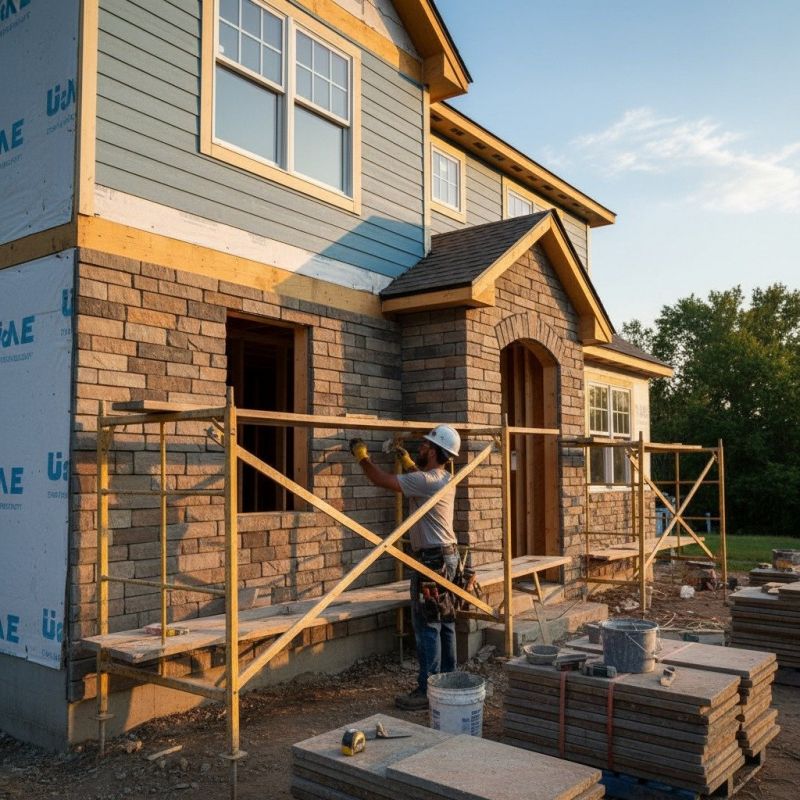
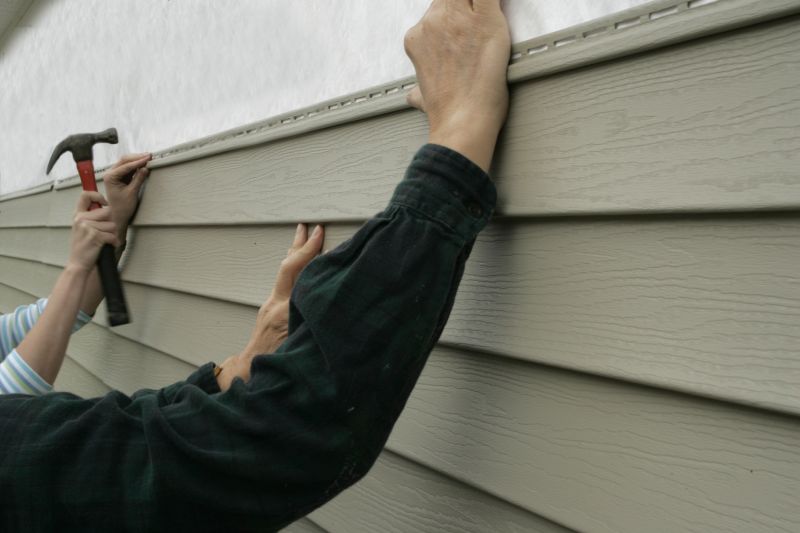

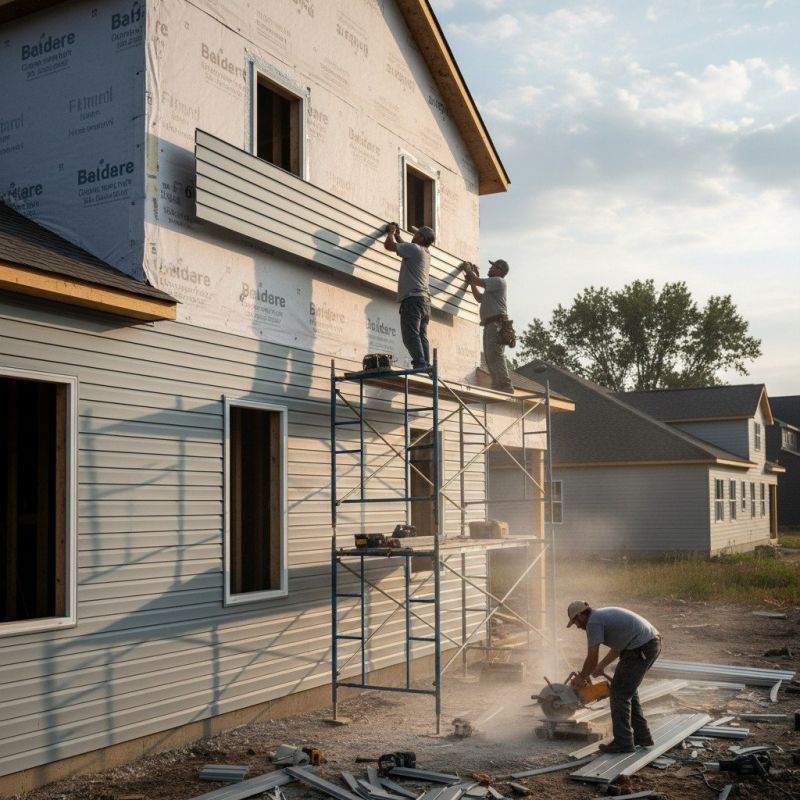
Use consistent scope definitions across local contractors to accurately compare their experience and set clear expectations.
- Scope Definition - Clearly outline the specific siding materials, styles, and areas to be covered in the installation project.
- Experience Verification - Confirm that the local contractors have relevant experience with the chosen siding type and installation methods.
- Material Specifications - Specify the quality, brand, and quantity of siding materials to be used in the project.
- Installation Expectations - Detail the installation process, including preparation, weather considerations, and finishing details.
- Written Agreement - Ensure all scope details, responsibilities, and expectations are documented in a comprehensive written contract.
When comparing contractors for siding installation, it’s important to evaluate their experience with similar projects. Homeowners should inquire about how many siding jobs they have completed that are comparable in scope and style to the work at hand. Contractors with a proven track record in handling projects similar in size, material, and complexity are more likely to understand the specific requirements and potential challenges involved. This familiarity can help ensure the work proceeds smoothly and meets expectations for quality and durability.
A clear, written scope of work is essential when assessing siding contractors. Homeowners should seek detailed descriptions of what the project includes, such as surface preparation, material installation, and finishing details. A well-defined scope helps prevent misunderstandings and sets clear expectations for both parties. It’s beneficial to review the scope thoroughly and confirm that it covers all aspects of the project, including any necessary prep work or cleanup, to ensure there are no surprises once the work begins.
Verifying the basics of a contractor’s background is a key step in the selection process. Homeowners can ask for references from previous clients, review examples of completed projects, and verify that the contractor has experience with the specific siding materials being considered. Additionally, confirming that the contractor has appropriate insurance coverage and adheres to local building codes adds an extra layer of confidence. These verification steps help confirm that the service provider has a solid history of delivering reliable work.
Evaluating options without focusing on prices involves examining the quality of services, the scope of work, and the professionalism demonstrated by each contractor. Homeowners should compare how thoroughly each service provider explains their process, the level of detail in their written proposals, and their responsiveness to questions. Considering the contractor’s communication style and clarity can reveal how well they understand the project and their commitment to transparency. This approach helps identify service providers who are capable of delivering a high standard of work aligned with the homeowner’s expectations.
Request written scope details to ensure clear expectations and consistent understanding among service providers.
- Experience and Credentials - What experience do local contractors have with siding installation projects similar to yours?
- Scope of Work - How do contractors define and clarify the scope of the siding installation to ensure all expectations are aligned?
- Materials and Techniques - What types of siding materials and installation methods do local service providers recommend for your project?
- Project Timeline and Responsibilities - How will the scope of work be documented in writing to outline each contractor’s responsibilities?
- Comparison Factors - What key differences should be considered when evaluating and comparing local siding installation contractors?
How can I compare siding installation contractors? Comparing local contractors involves reviewing their experience, verifying references, and examining previous work to ensure they meet project expectations.
What should I consider when defining the scope of siding installation? Clearly outline the type of siding, the area to be covered, and any specific details or finishes to ensure contractors understand the project requirements.
How can I verify a contractor’s experience with siding installation? Ask for details about their past projects, request references, and review any portfolios or examples of similar work they have completed.
Why is it important to have a written agreement with a siding contractor? A written contract helps define project scope, materials, and responsibilities, reducing misunderstandings and ensuring clear expectations.
What questions should I ask potential siding contractors during the selection process? Inquire about their experience, the materials they recommend, their process for handling issues, and how they manage project timelines and communication.
How can I ensure a siding installation project meets my expectations? Set clear project details in writing, review contractor references, and confirm that the scope and materials are well-defined before work begins.
This page has highlighted key steps to help compare and select reliable contractors for siding installation. Visitors now understand the importance of clearly defining the scope of work, verifying the experience of service providers, and ensuring all details are outlined in writing. Taking these measures can support making informed decisions when choosing local contractors for the project.
To find the right siding installation professionals, visitors are encouraged to use the quote form to compare options available in the area. Connecting with local service providers allows for gathering information and assessing which contractors best meet specific needs, all while maintaining control over the selection process.